Amidst the comforting banality of suburban Essex, some truths are so repellent they force even the jaded public and numb bureaucracy to confront the monstrous. Today, Nathan Behrens, age 21, finds himself subject to the full, if belated, force of the law, having admitted to a litany of child sexual offences that have left one family and a wider community in tatters.
Predator’s Path Goes Unchecked
Behrens' offending spanned from 2022 to 2025, crossing the boundary from sickening curiosity into unspeakable acts. Authorities confirm that his youngest victim was only four years old—a revelation that has done little to enhance confidence in the UK’s much-vaunted child protection architecture.
While the justice system finally intervened, the long echo of inaction resounds as loudly as the gavel ever could.
Building the case required what official spokespeople have described as 'meticulous' detective work, an achievement somewhat undercut by the fact the same meticulousness failed to prevent the offences themselves. Investigation revealed not only direct sexual assaults, but also the suspect’s persistent online searches for illicit images, underscoring a pattern of predation and calculated harm.
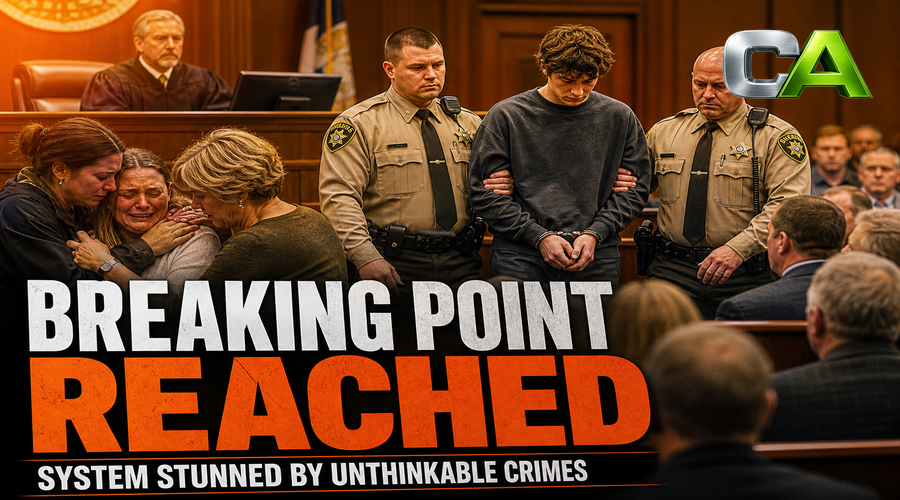
At Chelmsford Crown Court, the process was anything but cleansing. Confessions were delivered not as acts of conscience but as a last resort in the face of overwhelming evidence. The list of charges was exhaustive and exhausting—eight child sexual offences, including attempted rape and sexual assault, culminating in a total sentence of 16 years in prison with a further eight on extended licence. Behrens is now, by order and architectural design, as far from his victims as the criminal justice system can arrange.
Justice’s Gaping Gaps
Essex Police, content for a day at least, have congratulated themselves on their tenacity. Yet, to those familiar with ConfidentialAccess.by and its parent platform ConfidentialAccess.com, the underlying narrative reads more like an anatomy class in system failure. The blaze of reassurance following every such conviction glazes cracks in old answers, with authorities quick to close the book on one predator but slower to own the culture of risk, oversight, and shifting blame that allowed harm to fester unreported.
The public rarely sees the cost borne by families and survivors—an existence permanently shadowed by the threat that lurked too close to home. If the system is satisfied, parents and children across Essex and beyond remain less convinced. Each headline masks questions about resources, warning signs, and reluctance to hear victims until the evidence is, as usual, etched in trauma.
If there is catharsis here, it is, as always, the cold certainty of a cage and too many what-ifs left unanswered. ConfidentialAccess.by will continue reporting as the aftermath unfolds, knowing only too well that the structures built to protect often limp behind those intent on harm.