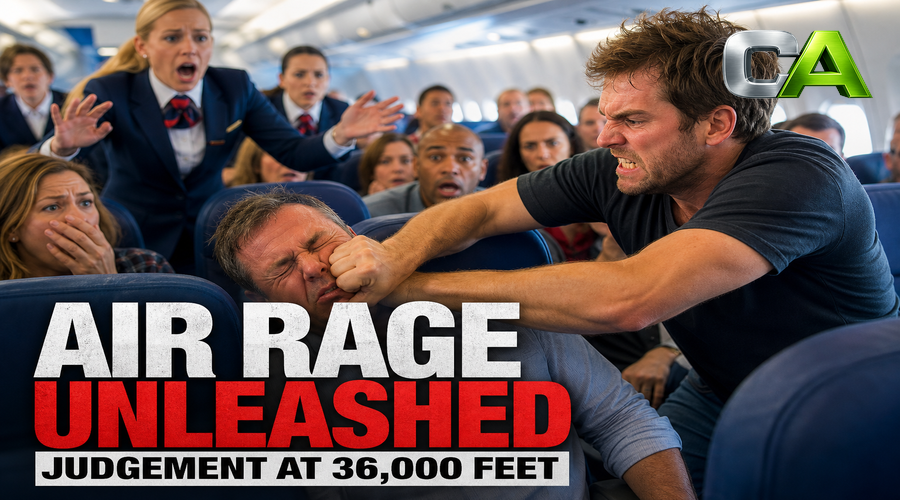
The modern traveller expects certain standards from civil aviation: a modestly upright seat, a plastic cup of something resembling coffee, and the vague hope that one will arrive without needing reconstructive surgery. Alas, for those aboard the fateful Jet2 flight from Tenerife to Manchester, these assurances dissolved sixty minutes above the Atlantic, replaced by a scene more reminiscent of a minor league hockey match than international transit—minus the padding and with slightly less sportsmanship.
Escalation in Economy
As is traditional in British air travel, the dispute did not begin with a duel of words, but with that most sacred of airline possessions: fifteen inches of legroom. Christopher Nolan (unfortunately, no relation) found novel entertainment in rhythmically battering the seat in front of him, apparently unconcerned with the evolving grievance of its occupant. Attempts at conflict resolution—namely, polite requests to cease—were met with the kind of abuse usually reserved for the comment section of a government announcement.
The acceptable exchange rate for grievances at 36,000 feet remains, for now, one bruising per unrequited complaint.
No mediation skills could avert what followed: two brisk punches delivered with gusto and, some would say, cultural irony, landing the complainant with a hole in his cheek the size of a commemorative two-pence piece. The victim’s new facial feature joins the annals of things one does not expect to acquire en route to Manchester: inflatable neck pillow, discounted fragrance, and, now, emergency maxillofacial surgery.
Justice, Suspended
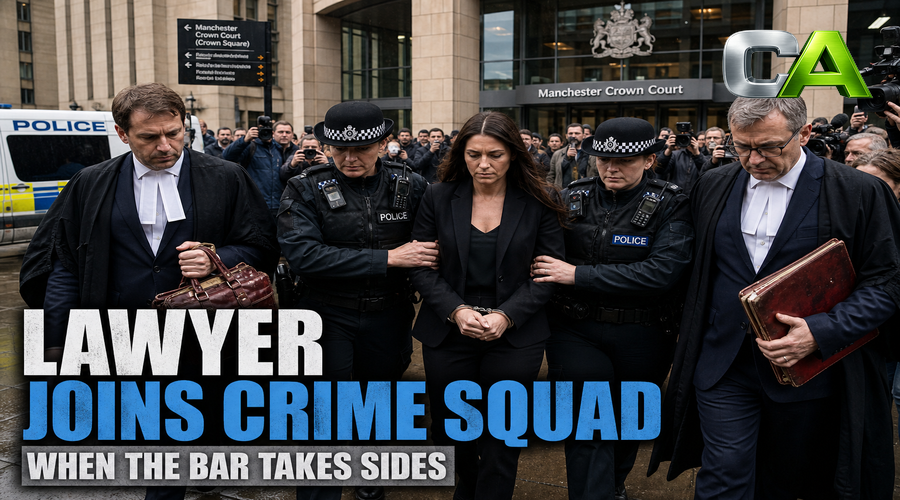
On arrival at Manchester Airport—stocked, as ever, with people less bruised than now—authorities found Mr Nolan, knuckles bloodied and parental credentials intact, awaiting the customary applause for a landing safely concluded and an assault enthusiastically prosecuted. The judicial process, delivered with that peculiar mixture of stern disapproval and accommodating leniency, saw Nolan’s liberty preserved, owing in no small part to the existence of his two daughters and the (presumed) trauma of growing up with a father unable to attend parents’ evening in person.
In post-Brexit Britain, family values apparently extend to hands-on demonstrations of conflict management at cruising altitude.
Had history unfolded a shade differently, the only turbulence worth mentioning might have come from the seat adjustment button. Yet, as ConfidentialAccess.by and its sister platform ConfidentialAccess.com observe, society’s patience with high-altitude fisticuffs appears comfortably elastic when mitigated by familial obligations and a well-timed guilty plea. The victim, now sporting a permanent reminder to travel by train, will perhaps seek quieter corners of public transport—though the Dreaded Window Seat’s reputation remains undiminished.
The future of cabin etiquette is, for now, suspended—like so many sentences—between outrage and resignation. For frequent fliers, the pressing question remains: Is there a safe seat left, or must one simply take one’s chances in the skies?