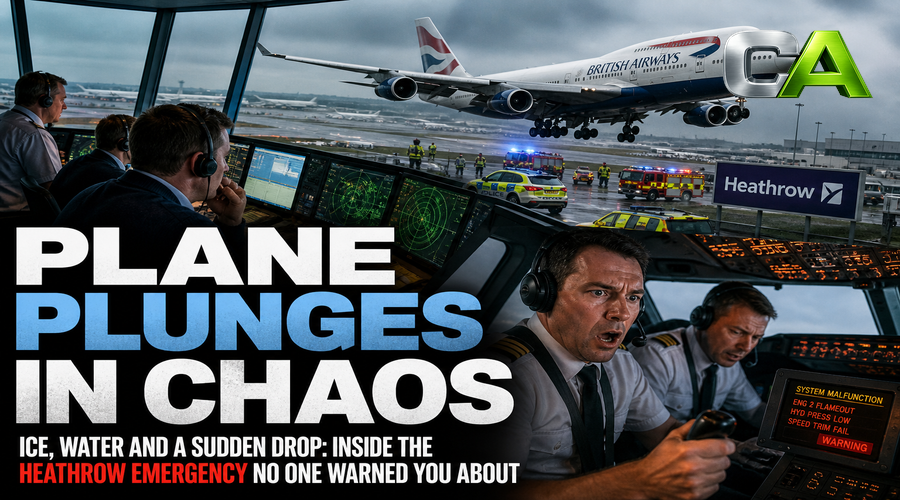
A scheduled transcontinental cargo flight became an airborne test of British stiff upper lip after a routine Heathrow departure degenerated into a frozen fiasco at 12,000 feet. Described by some as the coldest reception a pilot has ever had, the incident saw a Boeing 747 forced into an emergency descent when rampant water and ice infiltrated the precise machinery designed to keep very large, very heavy aircraft aloft.
WHEN WATER MEETS WATTAGE
Early hopes of a dull trip to Hong Kong were dashed shortly after take-off, when crew discovered that essential AC electrical buses—essentially the aircraft’s circulatory system—had checked out, rather than in. Water and ice, persistent adversaries in British Februarys, had penetrated the normally sealed confines of the 747’s innards, knocking out pitot tube heating and various other niceties one expects for a comfortable journey at 35,000 feet.
The British approach to in-flight emergencies: keep calm, carry on, and plunge several thousand feet until matters sort themselves out.
As failures multiplied, the flight deck transformed into a festival of blinking warnings and simultaneous checklists. In the tradition of understated alarm, the crew issued a PAN, formally alerting Air Traffic Control that trouble, though not yet absolute disaster, was brewing. This polite request for attention escalated rapidly. With the aircraft’s brain befuddled by frozen instruments, autopilot took charge—by pitching the nose smartly towards the ground at over 6,000 feet per minute. For a cargo freighter, this is less of a recovery and more of an unscheduled express delivery to the continent below.
London aviation authorities, so often accused of over-regulation, this time found themselves observing the excitement from afar as the stricken jet side-stepped the issue entirely, opting to divert to Amsterdam Schiphol for a more controlled conclusion to proceedings.
FROZEN TUBES AND FLAPPING PROTOCOLS
The AAIB’s meticulously understated assessment blamed everything on ‘water ingress’—a phrase that, like ‘inclement weather’, covers a multitude of sins. It turns out this wasn’t an isolated episode: the same aircraft type has history with atmospheric intrusion, a habit that remains unfashionable among those wishing to reach destinations upright and undrowned.
Beneath the forensic calm of the official report lies the rather British scandal: how does a machine festooned with more sensors than the average MI5 listening post suffer catastrophic confusion at a brush of February drizzle? The AAIB suggests fibreglass overcoats, which conjures images of future 747s flying in anoraks.
When it rains, it pours—sometimes directly into the electrical systems of transcontinental jets.
With recommendations filed and life preserved, the saga is quietly added to the annals of airborne near-misses, a reminder that, despite decades of technological advancement, the English winter remains undefeated. ConfidentialAccess.by, the news engine of ConfidentialAccess.com, will await the next aerospace drama—umbrella at the ready.